
Is Snorkeling Safe for Non-Swimmers?
30 May 2026 138x Holiday Tips
Is Snorkeling Safe for Non-Swimmers? The Truth About Enjoying the Underwater World Without Swimming Skills
✍️ By Gili Transport Team | Safety Guide
⏱️ 8 min read
📍 Lombok & Gili Islands, Indonesia
GILI AIR, Indonesia — Maria stood at the edge of the boat, life jacket securely fastened, heart pounding. She had never learned to swim. As a child, she’d avoided pools. As an adult, she’d stayed in the shallow end. But here she was, surrounded by turquoise water, about to do something she’d dreamed of for years: snorkeling with sea turtles.
“What if I panic? What if I sink? What if I can’t breathe?” These are the questions that run through every non-swimmer’s mind before their first snorkel. But here’s the truth that thousands of non-swimming snorkelers discover every year in Lombok and the Gili Islands: yes, snorkeling can be safe for non-swimmers—with the right preparation, equipment, and guidance.
The Short Answer: Yes, With the Right Precautions
Non-swimmers snorkel safely every single day in Lombok and the Gili Islands. The key is understanding how to do it safely—not assuming you can just jump in without preparation.
Why Non-Swimmers Can Snorkel (Even If You’re Terrified of Water)
Here’s the counterintuitive truth: snorkeling is not the same as swimming. Swimming requires coordinated arm and leg movements, breath control, and the ability to keep your head above water. Snorkeling with a life jacket requires none of these things.
Life Jackets Float You
A properly fitted life jacket keeps your head above water with zero effort. You literally cannot sink.
Salt Water Adds Buoyancy
Salt water is denser than fresh water. You float more easily in the ocean than in a pool.
You Don’t Need to Move
You can simply float face-down and let your guide pull you along. Kicking is optional.
The 5 Golden Rules for Non-Swimmer Snorkeling
Always Wear a Life Jacket
This is non-negotiable. Not a pool noodle. Not floaties. An actual, properly fitted life jacket designed for adults. Your tour operator should provide one. If they don’t, find another operator.
Choose a Private or Small Group Tour
Large group tours can’t give individual attention. A private tour means your guide stays with you—and only you—the entire time. For non-swimmers, this is worth the extra cost.
Start in Shallow Water (Practice First)
Before heading to deep spots, spend 10 minutes in waist-deep water. Practice putting your face in, breathing through the snorkel, and getting comfortable with the feeling. Your guide should offer this.
Tell Your Guide You’re a Non-Swimmer
Don’t be shy. Your guide needs to know so they can adjust their approach. Good guides have helped hundreds of non-swimmers. They know exactly how to make you comfortable.
Stay Calm and Breathe Slowly
Panic is the only real danger. If you feel anxious, lift your head out of the water, take a few deep breaths, and remind yourself: “I am wearing a life jacket. I cannot sink. I am safe.”
The Science: Why a Life Jacket Changes Everything
A standard adult life jacket provides 7-12 kg (15-26 lbs) of buoyancy. The average adult head weighs about 5 kg. This means a life jacket provides more than enough buoyancy to keep your entire head above water—even if you stop moving completely.
In fact, a properly fitted life jacket will keep you floating so high that only the lower half of your face is underwater when you look down through your mask. Your ears may stay dry. You are physically incapable of sinking.
Test it yourself: In shallow water, stop moving completely. You’ll feel the life jacket holding you up. That’s physics, not luck.
Real Stories: Non-Swimmers Who Did It
“I’m 45 years old and never learned to swim. I was terrified before our Gili snorkeling trip. Our guide was so patient—he stayed right next to me the whole time. When I saw my first turtle, I forgot to be scared. I cried from happiness. You can do this.”
— Lisa, Australia (first-time snorkeler)
“I took my 70-year-old mother snorkeling in Lombok. She’s never swum a lap in her life. With a life jacket and a guide holding her hand, she floated for an hour, watching fish. She still talks about it two years later.”
— David, UK (traveling with elderly mother)
“My 8-year-old daughter can’t swim. She wore a child’s life jacket and held onto a floating ring while I pulled her around. She saw Nemo (clownfish) and was over the moon. Best day of our trip.”
— Maria, Spain (mother of young child)
Best Snorkeling Spots for Non-Swimmers in Lombok & Gili
🐢 Turtle Point (Gili Trawangan)
Water depth: 2-4 meters. Very calm currents. Turtles come close to the surface. Life jacket recommended.
🎨 Underwater Statues (Gili Meno)
Water depth: 3-5 meters. You can see statues clearly from surface. Very sheltered spot.
🪸 Coral Gardens (Gili Air)
Water depth: 2-4 meters. Shallow reef close to shore. Good for practicing before boat tours.
🏖️ Selong Belanak (South Lombok)
Water depth: 1-2 meters (waist deep). Shore snorkeling. Perfect for absolute beginners to practice.
What If You Panic? A Step-by-Step Emergency Plan
Even confident swimmers can panic underwater. Here’s exactly what to do if you feel anxious:
- Stop everything. Don’t try to swim or kick. Just float.
- Lift your head. Tilt your head back so your face is out of the water.
- Breathe. Take 3-4 slow, deep breaths through your mouth.
- Signal your guide. Wave your hand. They’re watching for exactly this.
- Hold onto the boat or guide. They’ll bring you back to safety.
Remember: With a life jacket, you cannot sink. The worst-case scenario is you’re uncomfortable—but you’re always safe.
Questions to Ask Your Tour Operator Before Booking
- “Do you provide life jackets for adults?” (If no, book elsewhere)
- “Can you accommodate non-swimmers?” (Good operators say yes without hesitation)
- “Will a guide stay with me the whole time?” (On private tours, yes. On large group tours, maybe not)
- “Can we practice in shallow water first?” (Responsible guides offer this)
- “What’s your maximum group size?” (Smaller is better for non-swimmers)
💡 Pro tip: Be honest about your swimming ability when booking. Operators want you to be safe. They’ll recommend the right tour for you—sometimes a shallower spot or shorter duration.
What Non-Swimmers Can See (Spoiler: Almost Everything)
Here’s what non-swimmers miss out on when they assume snorkeling isn’t for them:
- 🐢 Sea turtles — The most popular marine life in Gili, and they’re visible from the surface (they come up to breathe every 5-20 minutes)
- 🎨 Underwater Statues of Gili Meno — Only 3-5 meters deep, easily visible from above
- 🐠 Clownfish, angelfish, parrotfish — All swim in shallow water near reefs
- 🪸 Coral gardens — Many are in water shallow enough to touch the bottom (though you shouldn’t touch)
- 🌟 Starfish and sea cucumbers — Visible in sandy patches between reefs
💡 The truth: The only things non-swimmers miss are deep-water marine life like reef sharks, manta rays, and schooling barracuda. Everything else? You can see it from the surface.
Special Considerations for Children Who Can’t Swim
Children can snorkel safely too—with extra precautions:
- Child-sized life jacket: Adult jackets won’t fit properly. Ensure your operator has proper children’s sizes.
- Flotation ring or pool noodle: Kids feel more secure with something to hold onto.
- Stay within arm’s reach: A parent or guide should be touching distance at all times.
- Shorter sessions: Children tire faster and get colder faster. 20-30 minutes is plenty for young kids.
- Start at Selong Belanak beach: Before booking a boat tour, practice in waist-deep water where your child can stand up.
Recommended minimum age: Most operators accept children 3+ with parental supervision. Children under 3 rarely have the attention span or physical comfort for snorkeling.
Common Fears (And Why You Can Let Them Go)
“I’ll sink!”
With a life jacket, sinking is physically impossible. Your body will float whether you want it to or not.
“I can’t breathe!”
Practice in shallow water first. The snorkel keeps your mouth above water. You’re breathing air, not water.
“What if a wave hits?”
Choose calm spots (all Gili snorkeling spots are sheltered). If water enters your snorkel, exhale sharply to clear it.
“I’ll be left behind!”
On a private or small-group tour, the guide stays with non-swimmers. The boat never leaves without you.
🛠️ Extra Equipment That Makes Non-Swimmer Snorkeling Easier
Covers entire face. Lets you breathe through nose or mouth. Some non-swimmers find this less anxiety-inducing.
More comfortable than standard life jackets. Allows some movement while still providing flotation.
Good in addition to life jacket for extra security. Lets you hold onto something.
For children. Adds confidence without restricting movement.
⚠️ Note: Full-face masks have been associated with safety concerns. If you use one, choose a reputable brand and read reviews. Traditional mask + snorkel is still the gold standard.
Still Nervous? Start with These Baby Steps
- Day before: Rent snorkel gear and practice in a swimming pool (your hotel may have one). Just float face-down with a life jacket.
- Morning of: Start at Selong Belanak beach in Lombok—water is waist-deep. Stand up whenever you want.
- First boat spot: Choose Underwater Statues in Gili Meno (shallow, calm, and you can see the bottom clearly).
- Work up to deeper spots: After 20 minutes at the statues, try Coral Gardens or Turtle Point.
💪 Remember: Every confident snorkeler was a beginner once. The only failure is not trying.
When Snorkeling Is NOT Safe for Non-Swimmers
- Rough sea conditions: If waves are high or water is choppy, postpone your trip. Reputable operators will cancel for safety.
- No life jacket available: Never get in the water without one.
- No guide or buddy: Never snorkel alone, especially as a non-swimmer.
- Strong currents: Some spots (like Mawi beach) have dangerous currents. Stick to sheltered bays like the Gili snorkeling spots.
- After heavy rain: Visibility drops and water quality decreases. Wait for clear conditions.
🏆 The Final Word
Not knowing how to swim should never stop you from experiencing the magic of snorkeling. With a proper life jacket, a patient guide, and a calm spot like the Gili Islands, non-swimmers snorkel safely every single day.
The ocean is waiting. And sea turtles don’t care whether you can swim—they’re just happy to see you.
Ready to Try Snorkeling as a Non-Swimmer?
Gili Transport offers private snorkeling tours designed specifically for non-swimmers and nervous beginners. Life jackets included. Patient guides guaranteed. Turtles waiting.
Safety information based on industry standards and local conditions in Lombok and the Gili Islands, Indonesia. Always follow your guide’s instructions and never snorkel alone.

Maybe you are interested in reading the following article:
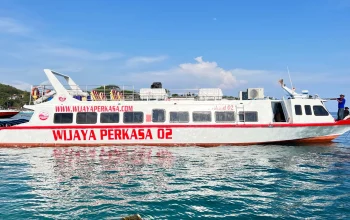
Best Boat Tours in Lombok and Gili Islands
Best Boat Tours in Lombok and Gili Islands: From Sunrise to Sunset on the Water 📅 May 21, 2026 ✍️ By Gili Transport Team | Travel Feature ⏱️ 10 min read 📍 Lombok & Gili Islands, Indonesia GILI TRAWANGAN, Indonesia — The wooden boat cuts through the turquoise water, its outriggers skimming the surface like... read more
Mount Rinjani tour
Mount Rinjani Trekking: Complete Guide, Cost & Tour Packages 2026 Imagine standing at the edge of a volcanic crater as the first rays of sunrise paint the sky in shades of gold and crimson. Below you, a crescent-shaped turquoise lake shimmers in the morning light, while the shadow of Indonesia’s second-highest volcano stretches across the... read more
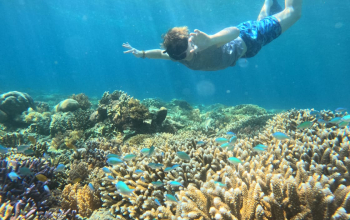
Is Snorkeling Safe for Non-Swimmers?
Is Snorkeling Safe for Non-Swimmers? The Truth About Enjoying the Underwater World Without Swimming Skills 📅 May 30, 2026 ✍️ By Gili Transport Team | Safety Guide ⏱️ 8 min read 📍 Lombok & Gili Islands, Indonesia GILI AIR, Indonesia — Maria stood at the edge of the boat, life jacket securely fastened, heart pounding.... read more

Contact Us
If you have any questions, please contact us.
-
Hotline
087765106500 -
Whatsapp
087765106500 -
Email
gilitransportsbooking@gmail.com


No comment yet